
Most customers in Malaysia make up their mind before they even call you. They open Google, type something like “dental clinic near me” or “plumber Petaling Jaya,” and pick from the first three results they see on the map. If your business isn’t in that list, you essentially don’t exist — at least not for that search.
The good news is that Google Maps ranking is not a lottery. There’s a clear set of signals Google uses to decide which businesses appear, and for Malaysian SMEs, the bar for getting this right is still surprisingly low. Most local businesses have incomplete profiles, inconsistent information, and almost no reviews. That leaves a real opening for those willing to put in the work.
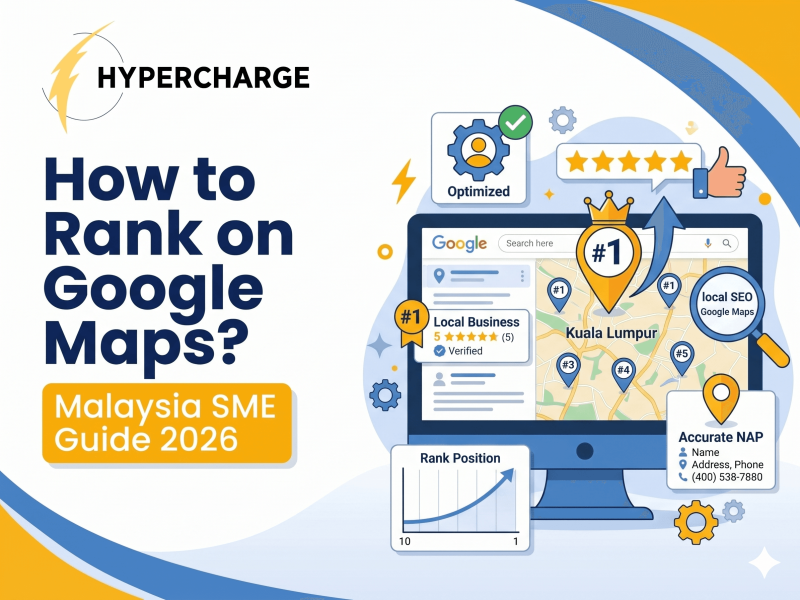
To rank on Google Maps in Malaysia, you need a fully optimised Google Business Profile, consistent NAP (name, address, phone) information across the web, genuine customer reviews, and locally relevant content. Google’s local ranking algorithm weighs three factors: relevance, distance, and prominence. Businesses that address all three consistently appear in the local 3-pack.
This guide walks through each step, in order, for any Malaysian SME starting from scratch or trying to move up the rankings.
Why Google Maps Ranking Is Different From Organic SEO
Before getting into tactics, it’s worth understanding that ranking on Google Maps — what SEO practitioners call the “local pack” or “3-pack” — is governed by a separate algorithm from the one that ranks website pages in organic search results.
Understanding the difference between local and organic SEO is the first step to knowing where to focus your effort.
The Three Signals Google Uses for Local Ranking
According to Google’s official guidance on how local ranking works, three factors determine which businesses appear in Maps results:
Relevance — How well your business profile matches what someone is searching for. A dental clinic in Bangsar that has “dental implants” and “teeth whitening” listed in its profile is more relevant to those searches than a clinic whose profile just says “Bangsar Dental.”
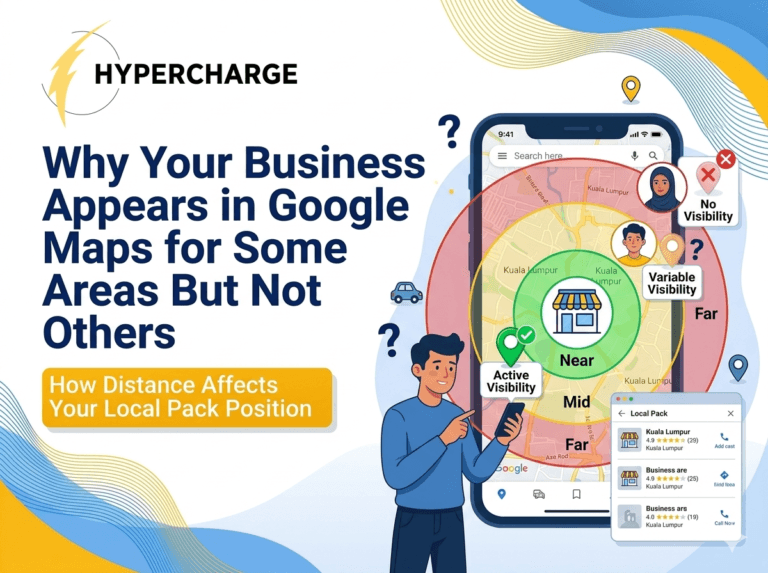
Distance — How far your business is from the person searching, or from the location they’ve specified. You cannot control your physical address, but you can signal the areas you serve.
Prominence — How well-known and trusted your business is, based on reviews, backlinks, mentions, and overall profile quality. This is where most businesses can make the biggest gains.Getting a deeper understanding of how these signals interact is covered in detail in our look at Google Maps ranking factors that actually move the needle.
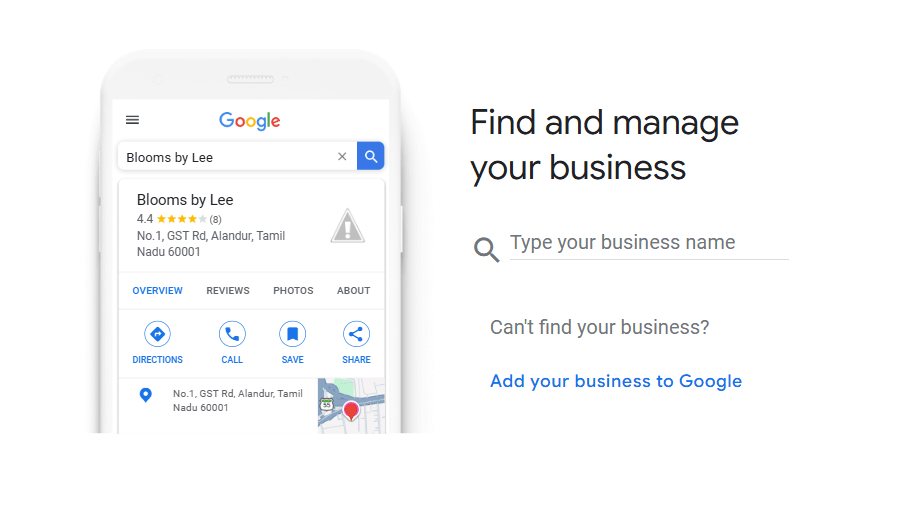
Step 1 — Claim and Fully Complete Your Google Business Profile
Your Google Business Profile (GBP) is the foundation of everything. If it’s unclaimed, incomplete, or outdated, nothing else you do will compensate.
Start by visiting business.google.com and claiming your listing if you haven’t already. Once verified, fill in every single field. Not just the basics — every field.
The Fields Most Business Owners Skip (And Why They Matter)
Most business owners add their name, address, and phone number, then stop. That’s the minimum. To rank competitively, go further:
Business description — Write 750 characters that describe what you do, who you serve, and what makes you different. Use natural language. Include your service types and location naturally. Don’t keyword-stuff.
Services and products — Add every service you offer as a separate entry. Each one becomes an additional relevance signal. A physiotherapy centre in Damansara should have “sports injury rehabilitation,” “back pain treatment,” and “post-surgery physiotherapy” as separate services — not just “physiotherapy.”
Business hours — Keep these accurate, including public holidays. Incorrect hours generate negative reviews and frustrate customers.
Attributes — Google offers attribute tags like “wheelchair accessible,” “women-led,” or “free parking.” These filter into search results and help you appear in more specific queries.
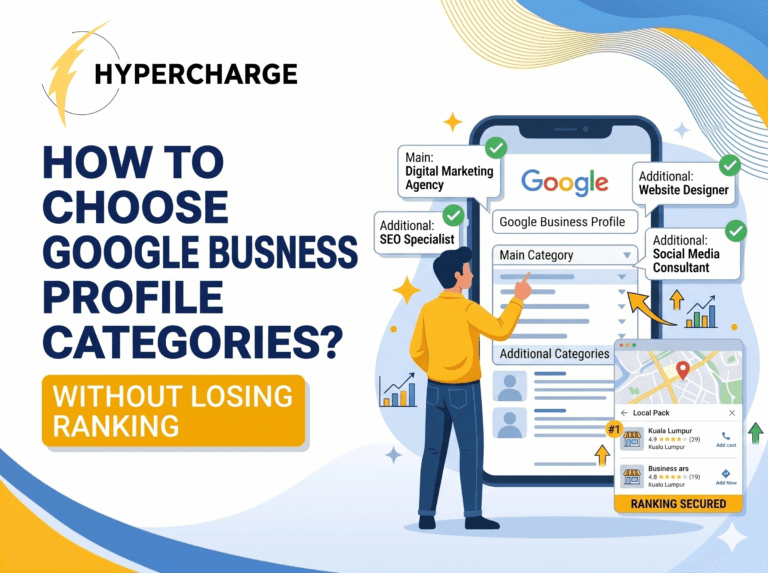
Primary and secondary categories — This is so important it deserves its own article (see Article 2 in this series). Choose your primary category with precision; secondary categories expand your reach.
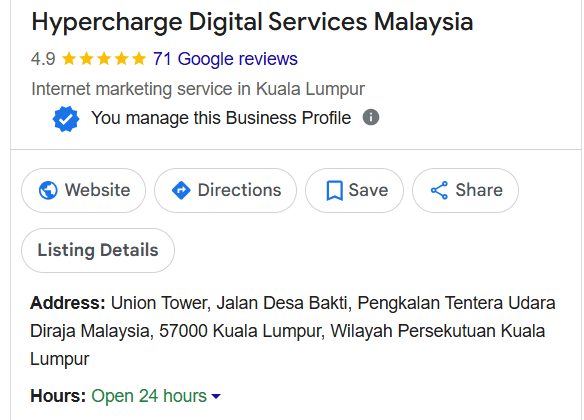
Step 2 — Get Your Business Information Right Across the Web
Your business name, address, and phone number need to be identical everywhere they appear online — your website, Facebook page, directory listings, and any local business portals. This consistency, known as NAP consistency, is a direct ranking signal.
If your GBP says “Level 3, Menara XYZ, Jalan Ampang” but your website footer says “3rd Floor, Menara XYZ, Ampang Road,” Google treats those as two different businesses. That inconsistency dilutes your authority.
Understanding what local citations are and why they matter will help you identify where your business information currently lives online — and where it needs to be corrected or added.
Priority directories for Malaysian businesses include:
- Google Business Profile (most important)
- Yelp Malaysia
- Yellow Pages Malaysia (yellowpages.my)
- CTOS business directory
- Foursquare
- Your industry-specific directories (e.g., DoctorOnCall for clinics, Lawyerlist for legal firms)
Step 3 — Collect Genuine Reviews Consistently
Reviews are the single most visible trust signal on a Google Maps listing. Businesses with more reviews and higher ratings rank better — full stop.
How Reviews Influence Your Position in the Local Pack
The local search ranking factors research by Moz consistently shows that review quantity, review diversity, and review recency are among the top signals influencing local pack rankings. It’s not enough to collect 50 reviews and stop. Google favours businesses that receive reviews regularly over time.
For Malaysian SMEs, the most effective ways to collect reviews ethically include:
- Sending a follow-up WhatsApp message to satisfied customers with a direct link to your Google review page
- Adding a QR code at your reception or checkout counter
- Including a review request in your post-service email or receipt
Never incentivise reviews with discounts or gifts — that violates Google’s review policy for businesses and risks having your listing suspended.Understanding how Google reviews drive customer decisions is equally important — the reviews you collect do more than just help you rank. They convert browsers into callers.
Step 4 — Add Photos, Posts, and Keep Your Profile Active
Google treats an active, regularly updated profile as a signal of a legitimate, operating business. A listing that hasn’t been touched in 18 months looks abandoned — to both Google and potential customers.
Photos — Upload high-quality images of your shopfront, interior, products, and team. Businesses with photos receive significantly more direction requests and website visits than those without. Aim for a minimum of 10 photos to start; add new ones monthly.
Google Posts — These are short updates (think: a Facebook post, but on your GBP) that appear directly on your listing. Use them to announce promotions, new services, events, or recent news. Posts expire after seven days, so post at least weekly for consistent freshness signals.
Q&A section — Pre-populate this with common customer questions and answers. If you don’t do this, anyone can ask and answer questions on your behalf — often inaccurately.
Step 5 — Build Local Signals Through Your Website
Your website and your GBP should work as a pair. Google cross-references signals between the two.
At minimum, your website needs:
- A dedicated contact page that matches your GBP address exactly
- Your business name, address, and phone number in the footer of every page
- Location-specific content — service pages that mention the cities or areas you serve (e.g., “plumbing services in Shah Alam and Klang”)
- LocalBusiness schema markup to help Google understand your entity data
If your website is running on WordPress, there are specific technical improvements worth making — covered separately in the technical SEO guide for WordPress sites.
How Long Does It Take to Rank on Google Maps in Malaysia?
Businesses that start from an unclaimed or poorly maintained profile and make all the changes above typically see meaningful movement within 60 to 90 days. “Movement” means progressing from position 8 or 9 in the local pack to the top 3 for at least some search queries.
Reaching and sustaining the top 3 for competitive terms in Kuala Lumpur — where hundreds of businesses may be competing — takes longer. Expect three to six months of consistent effort. Less competitive locations in Selangor, Johor, or smaller towns often show results faster.
The variables that most affect timeline: how many competitors have already optimised their profiles, how quickly you collect reviews, and whether your website provides strong local signals.
Ranking on Google Maps is not a one-time task. It’s an ongoing discipline — much like maintaining a well-run business operation.